Categories
Food Health Reprints from other.

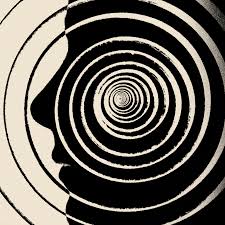
Foods That Boost Cognitive Function.

Views: 34

Foods That Boost Cognitive Function.

By Lynn C. Allison

As people age — especially after 60 — many experience a gradual decline in cognitive function due to both biological and lifestyle factors. Natural brain changes, such as reduced blood flow, loss of neurons, and decreased production of neurotransmitters, can affect memory, processing speed, and problem-solving abilities. Chronic health conditions, stress, and less physical activity can also contribute to this decline.

According to EatingWell, early signs may include difficulty multitasking, forgetting names, or trouble staying focused. However, eating a balanced diet rich in protein, fruits, and vegetables, while limiting sodium and saturated fats, can help slow age-related cognitive decline.

Here are six brain-boosting foods that can help protect your mental sharpness:

• Fatty fish. Fish like salmon, mackerel, and sardines are packed with omega-3 fatty acids (DHA and EPA)—essential fats that support healthy brain cell membranes and communication between brain cells. Omega-3s also reduce inflammation, enhance memory, and may help prevent age-related cognitive decline.

• Wild blueberries. In a study of adults over 65, those who consumed wild blueberry powder daily for six months showed improved mental processing speed. If fresh wild blueberries aren’t available, frozen ones work just as well—and regular blueberries also offer strong protection against cognitive decline.

• Leafy greens. Vegetables like spinach, kale, and Swiss chard are loaded with vitamins K, lutein, folate, and beta carotene, all linked to slower cognitive decline and better memory. These greens help protect neurons and promote long-term brain health.

• Cruciferous vegetables. Broccoli, cauliflower, and Brussels sprouts are rich in B vitamins and carotenoids, which help lower homocysteine, an amino acid associated with dementia and brain atrophy. Try sautéing them in garlic and olive oil, or add them to smoothies, soups, and sauces, suggests WellMed Healthcare.

• Eggs. Eggs are an excellent source of protein and choline, a nutrient critical for producing acetylcholine, the neurotransmitter involved in memory and learning. Research shows adults who consume about 350 milligrams of choline daily have a lower risk of dementia and Alzheimer’s disease. One egg yolk provides around 147 milligrams, so don’t skip the yolk.

• Pistachios. These colorful nuts are rich in antioxidants, healthy fats, and vitamin B6, which supports neurotransmitter function. They also contain flavonoids, manganese, copper, phosphorus, and fiber—nutrients that reduce inflammation, improve blood flow to the brain, and protect against oxidative stress. Regularly eating pistachios may help maintain sharp memory and mental clarity.


Loading

Categories
Health Links from other sources. Music Reprints from other. Science

Music Might Help Regulate Blood Pressure.

Views: 28

Music Might Help Regulate Blood Pressure.

Everyone probably knows the phrase “music hath charms to soothe the savage breast,” and new research suggests it may do the same for heart health.

A small study found that blood pressure appears to “synchronize” to patterns in music. British researchers say that might help boost the body’s baroreflex sensitivity — its ability to regulate blood pressure.

The new findings could have wide-ranging implications for health, according to lead author Elaine Chew. She’s a trained pianist and professor of engineering at King’s College London.

“This research raises the intriguing possibility that we could design music therapies to elicit specific biological responses in the future,” Chew explained. “This could be tailored specifically to individuals, bringing us closer to music as precision medicine. In the longer term, one day we may be able to use music to prevent heart disease or slow, arrest, or reverse its progression.”

The findings were presented Thursday at the European Society of Cardiology (ESC) meeting in Madrid.

Chew’s research focused on an aspect of music called “phrase structure.” During a performance, musicians alter the tempo and loudness of music to mark the boundaries of phrases within the piece, creating pleasing musical patterns that people are drawn to.

Some musical pieces have a more predictable phrase structure than others, the researchers noted.

Prior research by the team had already found that predictable phrasing in songs appeared to help regulate breathing and heart rate. They wondered if the same might be true for blood pressure.

To find out, Chew and colleagues tracked the heart activity of 92 people as they listened to nine of 30 recorded piano music tracks, performed by renowned pianists. Participants averaged 42 years of age.

A computer algorithm spotted each selection’s “music tempo and loudness phrase arc boundaries,” the researchers explained in an ESC news release.

They were looking specifically at “entrainment”: The body’s ability to synchronize physiological rhythms to external stimuli, such as music.

In most cases, blood pressure “entrained” to changes in music’s loudness more readily than to changes in tempo, the study showed.

Overall, the predictability of a piece of music’s phrasing was highly linked to a listener’s blood pressure synchronizing with the music, Chew and colleagues noted. This might strengthen the body’s ability to regulate blood pressure in healthy ways, they theorized.

All of this makes intuitive sense, according to Chew.

“Throughout time and across cultures, humans have moved and grooved to music,” she explained. “There are likely to be biological and social advantages to being able to coordinate our actions to an external rhythm, such as people on a boat synchronizing their rowing.”

This sort of coordinated action requires an abiity to anticipate the beginnings and ends of rhythm cycles, Chew said.

“It is this anticipation that likely influences our cardiorespiratory cycles,” she added. “It feels good to synchronize to musical structures — research has found that music uses the same reward system as food, sex and drugs.”

Because these findings were presented at a medical meeting, they should be considered preliminary until published in a peer-reviewed journal.

© HealthDay

Loading

Categories
Life Links from other sources. Medicine Reprints from other.

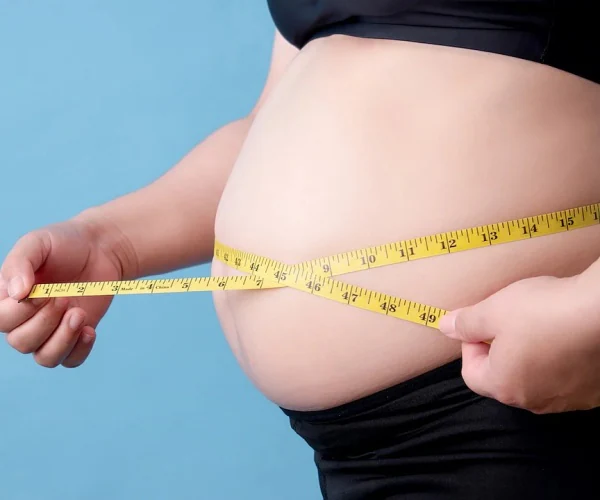
US Obesity-Related Cancer Deaths More Than Tripled.

Views: 23

US Obesity-Related Cancer Deaths More Than Tripled.

Cancer deaths linked to obesity more than tripled in the U.S. during the past two decades, a new study says.

Deaths linked to the 13 types of obesity-related cancer rose to 13.5 deaths per million from 3.7 deaths per million between 1999 and 2020, researchers reported Sunday at the Endocrine Society’s annual meeting in San Francisco.

“Obesity is a significant risk factor for multiple cancers, contributing to significant mortality,” said lead researcher Dr. Faizan Ahmed of Hackensack Meridian Jersey Shore University Medical Center in Neptune City, N.J.

“This research underscores the need for targeted public health strategies such as early screening and improved access to care, especially in high-risk rural and underserved areas,” Ahmed added in a news release.

More than 40% of U.S. adults have obesity, and obesity-related cancers represent 40% of all cancers diagnosed in the United States each year, researchers said in background notes.

These include esophageal, breast, colon, uterine, gallbladder, stomach, kidney, liver, ovarian, pancreatic, thyroid and brain cancers, as well as the blood cancer multiple myeloma, researchers said.

For the new study, researchers used data from the U.S. Centers for Disease Control and Prevention (CDC) to track more than 33,500 deaths from obesity-related cancers.

Overall, obesity-related cancer deaths rose by nearly 6% a year on average between 1999 and 2000, results show.

Between 2018 and 2020 the death rate took a dramatic turn upward, rising by more than 19% on average, researchers said.

The study revealed sharp increases in obesity-related cancer deaths among specific groups, including women, seniors, Black people, Native Americans, and folks living in rural areas.

The Midwest had the highest rate of obesity-related cancer deaths at nearly 8 per million, while the Northeast had the lowest at under 6 per million, results show.

Vermont, Minnesota and Oklahoma had the highest state-specific rates of obesity-related cancer deaths, while Utah, Alabama and Virginia had the lowest.

“Given these trends, targeted public health interventions, including preventive measures, early screening, and equitable healthcare access, are pivotal,” researchers concluded in their presentation abstract.

Findings presented at medical meetings should be considered preliminary until published in a peer-reviewed journal.

© HealthDay

Loading

Categories
Life Links from other sources. Medicine Reprints from other. Science

You make the call. Health Myths.

Views: 22

You make the call. Health Myths.

doctor with surgical gloves holding sign that says "MYTHS"

By Lynn C. Allison

Old wives’ tales about health have been around for generations. Health myths persist because misinformation spreads easily, especially with the popularity of social media. Here is the truth about some of the most common health myths:

• Drink 8 glasses of water daily. According to WebMD, there is no need to count cups. People who drink when they are thirsty stay well-hydrated. In addition, fruit, vegetables, soup, and beverages such as juice, coffee, and tea all contribute to our daily hydration needs.

• Eggs cause heart disease. By now, it’s been pretty well established that eating eggs is good for you, as long as you don’t overdo it. According to Real Simple, all eggs are rich in protein, phosphorus, selenium, chlorine, iron, vitamin A and B vitamins. The B vitamins and choline found in eggs are beneficial to brain health. While eggs do contain cholesterol, experts say that dietary cholesterol does not significantly raise blood cholesterol levels enough to trigger heart disease in healthy people.

• You can catch a cold by being out in cold weather. According to Johns Hopkins Medicine, contrary to popular belief, cold weather or feeling chilled doesn’t cause a cold. However, more colds do occur during the cold weather seasons because schools are in session, increasing the risk for exposure to the virus. People also stay indoors more when it’s cold and are in closer proximity to each other, making it easier to pass along germs. The low humidity of winter causes dry nasal passages, which are more susceptible to cold viruses.

• You need a daily multivitamin. You should get most of your daily nutrients from a well-rounded diet that includes lots of fruit, vegetables, nuts, healthy oils and whole grains. But if your doctor feels you are suffering from a deficiency, a vitamin supplement may be needed.

• You need to eat breakfast to lose weight. Not so, say experts from Cornell University who found that people who skipped breakfast didn’t overeat at lunch and dinner and, in fact, ate 400 fewer calories a day.

• Green mucus means infection. One study looked at green mucus samples from people with a cough and no other lung conditions. It found that only about 1 in 10 of those green mucus samples were caused by a bacterial infection. This means that most people with green mucus don’t have a bacterial infection. In short, mucus color alone isn’t a reliable way to say whether you need antibiotics, says GoodRx.

• Sugar makes kids hyper. While sugar isn’t good for children, research shows that it won’t cause them to act out or be unable to focus on their schoolwork.

• Toilet seats can pass along germs. According to WebMD, toilet seats are usually clean. It’s the doorknobs, handles and floors that can be covered with bacteria like E. coli, norovirus and the flu. Use paper towels to cover your hands when opening doors or touching handles and a hand sanitizer afterwards.

• Cracking joints triggers arthritis. While the sound of someone cracking their joints can be annoying, it does not cause arthritis. Experts at the Cleveland Clinic say one reason that your joints may make a cracking noise could be gas escaping from a synovial membrane, or a ligament or tendon passing over another ligament or tendon. However, if you feel regular or severe pain in your joints, seek medical help.

Loading


Bauherrenhaftpflicht Rechner

page counter
8Shares