Correspondent photo / Sean Barron ... From left, boxing legends Greg “The Flea” Richardson, Kelly “The Ghost” Pavlik, Ray “Boom Boom” Mancini, Jeff “Prime Time” Lampkin and Harry “Dirty Harry” Arroyo stand next to their individual plaques that were unveiled during a special ceremony Friday at Wean Park in Youngstown. The five championship fighters were inducted into the Youngstown Walk of Fame.
Views: 20
Five World Champions. Inducted onto city’s Walk of Fame.
It’s an honor for a community to have a world champion, but to have five in one sport is really something. The city of Youngstown claims five gentleman. Jeff Lampkin, Ray “Boom Boom” Mancini, Greg “The Flea” Richardson, Kelly The Ghost Pavlik and Harry “Dirty Harry” Arroyo.
Jeff Lampkin captured the International Boxing Federation’s Cruiserweight world title.
Boom Boom Mancini, World Boxing Association lightweight champion. He also held the WBA lightweight title.
Kelly (the Ghost) Pavlik won the World Boxing Council and World Boxing Organization middleweight world titles.
Harry Arroyo won the IBF lightweight world title.
Greg Richardson won the WBC bantamweight world title.
RFK Jr. Announces “Health Insurance Breakthrough” That Affects Nearly 260 million Americans.
Here’s what’s changing—and why it could save you time, stress, and money.
By The Vigilant Fox.
In a press conference on Monday, HHS Secretary Robert F. Kennedy Jr. and CMS Administrator Dr. Mehmet Oz announced a landmark agreement with the nation’s largest health insurers to tackle the number one healthcare problem plaguing hundreds of millions of Americans: prior authorization.
Prior authorization is the requirement for doctors and patients to get advance approval from insurance companies BEFORE certain treatments, tests, or procedures are covered. It was meant to control costs, but for 85% of Americans, it’s become a serious barrier to care.
“Doctors like myself are continually struggling with this issue,” Dr. Oz said, explaining how the bureaucratic process not only delays treatment but deeply frustrates both providers and patients.
In 2023 alone, Medicare Advantage (which covers about 32 million people) initially denied 3.2 million prior authorization requests. Dr. Oz made clear these are not just numbers: they represent “individuals who often, in the most vulnerable time in their lives, needed something done and it was denied.”
The burden also falls heavily on physicians. On average, doctors spend 12 hours per week on paperwork, handling about 40 prior authorization cases weekly. Dr. Oz said it contributes to burnout, slows down care, and “erodes public trust in the health care system.”
But under RFK Jr.’s leadership, things are changing for the better.
An HHS press release announced today that “health insurers pledged six key reforms aimed at cutting red tape, accelerating care decisions, and enhancing transparency for patients and providers.”
These changes aim to ensure that patients and their doctors no longer have to battle insurance companies just to access common treatments like imaging, outpatient surgery, or physical therapy.
The cooperating insurers include UnitedHealthcare, Aetna, Blue Cross Blue Shield Association, Humana, Kaiser Permanente, The Cigna Group, Centene Corporation, Elevance Health, Highmark Health, CareFirst BlueCross BlueShield, and GuideWell, along with the industry trade group AHIP.
Participating insurers (which cover nearly 80% of Americans) have committed to:
• Standardize electronic prior authorization submissions using Fast Healthcare Interoperability Resources (FHIR®)-based application programming interfaces.
• Reduce the volume of medical services subject to prior authorization by January 1, 2026.
• Honor existing authorizations during insurance transitions to ensure continuity of care.
• Enhance transparency and communication around authorization decisions and appeals.
• Expand real-time responses to minimize delays in care with real-time approvals for most requests by 2027.
• Ensure medical professionals review all clinical denials.
“These commitments represent a step in the right direction toward restoring trust, easing burdens on providers, and helping patients receive timely, evidence-based care,” said Dr. Oz.
Editorial credit: Poetra.RH / Shutterstock.com
Eric Dane, best known for playing Dr. Mark “McSteamy” Sloan on Grey’s Anatomy, then took the stage.
Speaking not as an actor but as a patient, Dane revealed he is battling ALS (Lou Gehrig’s disease), a condition where the nervous system progressively breaks down, causing the body’s muscles to weaken and eventually stop working.
Dane described how a diagnosis like ALS brings “great uncertainty” and warned that unnecessary prior authorization only adds more stress to an already devastating situation.
“Anything we can do to give patients more certainty with fewer delays is a worthwhile endeavor,” he said. Though grateful for his ability to access top-tier care, Dane acknowledged, “I’m lucky. Not everyone is in the same position.”
He thanked CMS, HHS, and insurers for taking action, adding, “Today is about all those who need more certainty, faster answers, and more hope for recovery.”
When RFK Jr. stepped up to the podium, he shared that during the presidential transition, he was told the single most important thing he could do to improve the patient experience in America was to “end the scourge of pre-authorization.”
And that’s what Kennedy did by bringing together the nation’s largest health insurers and securing a landmark agreement to overhaul the system.
Kennedy shared a chilling account of what would happen when doctors dared to put patients before insurance company policies.
He described a patient from New Jersey who was suffering from severe heart failure and was transferred to New York-Presbyterian Hospital for a life-saving transplant.
The transplant itself had been approved by the insurance company, but shockingly, the mechanical heart pump needed to keep the patient alive until the transplant could take place was denied.
With the patient already in the operating room, the medical team faced an impossible choice: follow the insurer’s decision and let the patient die, or act to save his life, risking their careers. They chose to implant the device.
The patient survived and ultimately received the transplant. But Kennedy revealed that “my friend—the doctor—was then sued by the insurance company” for defying the denial.
That lawsuit was later dropped, but Kennedy said the ordeal highlights the madness of a system that punishes doctors for putting patients ahead of insurance companies.
In case health insurers decide to flake out, Kennedy outlined the safeguards in place to ensure they follow through on their new prior authorization reforms—something he acknowledged they’ve failed to do in the past.
“This time is very, very different,” he said. One reason is scale: “257 million patients are covered by the group that we met with this morning,” Kennedy noted, calling it “unprecedented.”
But what truly sets this effort apart, Kennedy explained, is structure. “We have standards this time. We have deliverables. We have specificity on those deliverables. We have metrics. We have deadlines. And we have oversight.”
Kennedy ended his speech by calling the prior authorization reform a “monumental accomplishment”—a breakthrough decades in the making.
He highlighted that Congressman Greg Murphy has been fighting to address this issue for 35 years, and now, real change is underway.
Kennedy thanked the insurance companies and hospital systems for stepping up, and gave special credit to President Trump for providing the leadership that made the agreement possible.
“We hope to see the dividends of this success story immediately materialize, as a better experience for the American, for millions, hundreds of millions, literally, of American patients,” Kennedy said.
SUMMARY:
• 85% of Americans have been affected by prior authorization delays, making it the top complaint from both patients and doctors, according to Dr. Oz.
• In 2023, Medicare Advantage denied 3.2 million prior authorization requests—often for urgent, life-saving care.
• Doctors spend an average of 12 hours a week handling about 40 prior authorization cases, contributing to burnout and delayed treatment.
• RFK Jr. secured a landmark agreement with insurers covering 257 million Americans to overhaul the prior authorization system.
• Six major reforms were pledged: standardizing electronic submissions, reducing services requiring approval by 2026, honoring authorizations during plan changes, improving transparency, expanding real-time decisions by 2027, and ensuring clinical denials are reviewed by medical professionals.
• Unlike past efforts, this deal includes clear metrics, deadlines, and CMS oversight to hold insurers accountable. “We have standards… and we have oversight,” Kennedy said.
• Kennedy called it a “monumental accomplishment” and a long-overdue fix for a broken system.
Oregano is typically a popular garnish for pizza and a variety of Mediterranean dishes, but what other potential uses does this herb have? While oregano is commonly notorious in the culinary world for enhancing the flavor profiles of various types of cuisine, I have found that it can also provide an extensive range of medicinal benefits.
There are three types of oregano: fresh, dried, and in the form of an essential oil. In regard to culinary uses, oregano has become a common ingredient in many Italian, Mexican, and Greek dishes and is often paired with basil as it complements it very well, especially in pizza. Dried oregano is often present in processed foods and drinks such as certain alcoholic beverages, tomato sauces, meat and meat products, condiments and relishes, snack foods, and milk products.
Oregano contains rich sources of antioxidants, which slows the aging of cells and helps fight infection, along with vitamin K, which aids in the promotion of bone growth, maintenance of bone density, and the production of blood clotting proteins. It also provides iron, manganese, vitamin E, iron, calcium, omega fatty acids, manganese, and tryptophan. The high fiber content present in oregano binds to bile salts and cancer-causing toxins present in the colon and eliminates them from the body. As a result, the body is forced to produce more bile salts to break down cholesterol, which will aid in reducing high cholesterol levels and therefore may help decrease the risk of colon cancer.
This herb has been found to possibly contribute to a wide array of medicinal uses. Oregano in the form of an essential oil possesses antimicrobial, antibacterial, antiviral, and antifungal properties. Some healing uses include treating foot or nail fungus, killing parasites and infections, and alleviating sinus infections and colds. Utilization of oregano essential oil also supplies health benefits to both the respiratory and immune systems. It helps prevent and treat infections including urinary tract infections (UTIs), respiratory, yeast, and parasitic infections, and methicillin-resistant staphylococcus aureus (MRSA) infection. It has shown promise in preventing the onset of food-borne illnesses caused by pathogens such as Listeria, Salmonella, E. coli, and Shigella dysenteric. Additionally, antiseptic characteristics are present in oregano essential oils, which are beneficial in practices of aromatherapy due to the relief of coughs and respiratory illnesses provided through the steam method of this oil. Other aromatic advantages of oregano oil are warding off insects, relieving bug bites and poison ivy rashes, helping with the healing process of cold sores and dandruff, easing sore throats and toothaches, and relieving muscle and joint pain, rheumatoid arthritis, sprains, and cramps. Further benefits of oregano oil include working as an anti-inflammatory agent for osteoporosis and arteriosclerosis and slowing down or preventing the progression of breast cancer. Lastly, different studies on oregano oil have shown that it is used to help treat the following illnesses and conditions: acne, bronchitis, bloating, headaches, heart conditions, allergies, intestinal parasites, earaches, fatigue, and menstrual cramps. However, it is imperative to note that additional research in the future is necessary to back these particular health claims.
Next time you are savoring a slice of pizza or your favorite Mediterranean dish, consider topping it with oregano to reap the numerous health benefits that this herb provides!
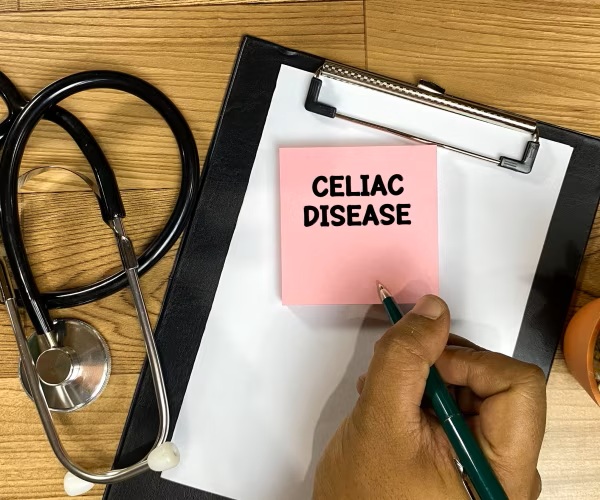
New BlooCeliac disease patients currently must make themselves sicker before they’re able to seek treatment.
The tests now used to diagnose celiac disease require patients to eat gluten, the protein that provokes an autoimmune reaction, then chart their response.
But a new blood test promises to change all that, researchers reported.
The test looks for a specific immune response to gluten within a person’s blood, and can detect celiac disease even if a person is on a gluten-free diet for their GI symptoms, researchers reported recently in the journal Gastroenterology.
“There are likely millions of people around the world living with undiagnosed celiac disease simply because the path to diagnosis is difficult, and at times, debilitating,” said senior researcher Jason Tye-Din, head of the Walter and Eliza Hall Institute’s Celiac Research Laboratory in Parkville, Australia.
“This new test promises to simplify and speed up accurate diagnosis, while also avoiding the suffering that comes with eating gluten for extended periods to reactivate celiac disease,” he added in a news release.
Celiac disease is an autoimmune disorder in which eating gluten causes the immune system to attack and damage the small intestine. Gluten is a protein found in wheat, rye and barley.
Researchers developed the test based on an unexpected discovery in 2019, when a team found that the immune marker interleukin 2 spikes in the bloodstream of people with celiac disease after they eat gluten.
Based on this, the researchers created a test that provokes this immune response by exposing blood samples to gluten in a test tube.
For the new study, researchers tried out their blood test on samples from 181 volunteers recruited at the Royal Melbourne Hospital in Australia.
The volunteers included 75 celiac patients on a gluten-free diet; 13 people with untreated celiac disease; 32 people with non-celiac gluten sensitivity; and 61 healthy folks to serve as a control group.
As expected, the IL-2 signal only increased in the blood of volunteers with celiac disease, demonstrating that the immune response can be detected in a test tube, researchers said.
The test proved 90% accurate in identify people with celiac disease, and 97% accurate in ruling out folks who don’t have the disorder, results show.
“We also found the strength of the IL-2 signal correlated with the severity of a patient’s symptoms, allowing us to predict how severely a person with celiac disease might react to gluten, without them actually having to eat it,” lead investigator Olivia Moscatelli, a doctoral student at the University of Melbourne, said in a news release.
Moscatelli herself was diagnosed with celiac disease at 18, and said she’s thrilled with the results.
“This breakthrough is deeply personal as it could spare others from the grueling diagnostic process I had to endure,” she said. “Knowing I’ve played a role in this achievement is a powerful, full-circle moment.”
However, the technology used by the researchers is highly sensitive and can detect the IL-2 signal at very low levels, meaning this test currently is out of reach for most pathology labs, the team noted.
“It’s like the equivalent of being able to detect a single grain of sand in a swimming pool,” Moscatelli said.
Researchers said future studies should see whether similar blood tests could be used to detect other conditions, including type 1 diabetes, cancer, transplant rejection and infectious diseases.
Molecules in blood and urine may reveal how much energy a person consumes from ultra processed foods, a key step to understanding the impact of the products that make up nearly 60% of the American diet, a new study finds.
It’s the first time that scientists have identified biological markers that can indicate higher or lower intake of the foods, which are linked to a host of health problems, said Erikka Loftfield, a National Cancer Institute researcher who led the study published Tuesday in the journal PLOS Medicine.
“It can potentially give us some clues as to what the underlying biology might be between an ultra-processed food association and a health outcome,” Loftfield said.
Ultra Processed foods – sugary cereals, sodas, chips, frozen pizzas and more – are products created through industrial processes with ingredients such as additives, colors and preservatives not found in home kitchens. They’re ubiquitous in the U.S. and elsewhere but studying their health impacts is hard because it’s difficult to accurately track what people eat.
Typical nutrition studies rely on recall: asking people what they ate during a certain period. But such reports are notoriously unreliable because people don’t remember everything they ate, or they record it inaccurately.
“There’s a need for both a more objective measure and potentially also a more accurate measure,” Loftfield explained.
To create the new scores, Loftfield and her colleagues examined data from an existing study of more than 1,000 older U.S. adults who were AARP members. More than 700 of them had provided blood and urine samples, as well as detailed dietary recall reports, collected over a year.
The scientists found that hundreds of metabolites – products of digestion and other processes – corresponded to the percentage of energy a person consumes from ultra processed foods. From those, they devised a score of 28 blood markers and up to 33 urine markers that reliably predicted ultra processed food intake in people consuming typical diets.
“We found this signature that was sort of predictive of this dietary pattern that’s high in ultra processed food and not just a specific food item here and there,” she said.
A few of the markers, notably two amino acids and a carbohydrate, showed up at least 60 times out of 100 testing iterations. One marker showed a potential link between a diet high in ultra processed foods and Type 2 diabetes, the study found.
To confirm the findings, Loftfield measured the scoring tool with participants in a carefully controlled 2019 National Institutes of Health study of ultra processed foods.
In that study, 20 adults went to live for a month at an NIH center. They received diets of ultra processed and unprocessed foods matched for calories, sugar, fat, fiber and macronutrients for two weeks each and were told to eat as much as they liked.
Loftfield’s team found that they could use the metabolite scores to tell when the individual participants were eating a lot of ultraprocessed foods and when they weren’t eating those foods.
The results suggested the markers were “valid at the individual level,” Loftfield said.
It’s still early research, but identifying blood and urine markers to predict ultra processed foods consumption is “a major scientific advance,” said Dr. Dariush Mozaffarian, director of the Food Is Medicine Institute at Tufts University, who was not involved in the study.
“With more research, these metabolic signatures can begin to untangle the biologic pathways and harms of UPF and also differences in health effects of specific UPF food groups, processing methods and additives,” he said.
Loftfield said she hopes to apply the tool to existing studies where blood and urine samples are available to track, for instance, the effect of consuming ultra processed foods on cancer risk.
At a time when support for government research is being cut, funding remains uncertain.
“There’s a lot of interest across the board — scientifically, public interest, political interest — in the question of: Does ultra processed food impact health and, if so, how?” she said. “How can we fund the studies that need to be done to answer these questions in a timely way?”
A morning cup of coffee might do more than momentarily boost your energy and spirits.
Full-test java also appears to help women age more gracefully, a new study says.
Middle-aged women who regularly drank caffeinated coffee were more likely to stay mentally sharp and physically functional as they aged, researchers reported Monday at a meeting of the American Society for Nutrition.
Each extra cup was tied to a 2% to 5% increased chance of aging gracefully, results show.
“The findings suggest that caffeinated coffee — not tea or decaf — may uniquely support aging trajectories that preserve both mental and physical function,” researcher Sara Mahdavi, a post-doctoral fellow at the Harvard T.H. Chan School of Public Health, said in a news release.
For the study, researchers tracked more than 47,500 women participating in the Nurses’ Health Study, a long-term research project that has collected data since 1984.
The team compared the women’s caffeine intake to their healthy aging, which was defined as living to 70, being free from 11 major chronic illnesses, maintaining physical function, having good mental health and exhibiting no memory or thinking difficulties.
By 2016, more than 3,700 of the women met all the requirements for being considered a person who has aged gracefully, researchers said.
In middle age, these women typically consumed about 315 milligrams of caffeine daily, roughly three small cups or one and a half large cups of coffee, researchers said. More than 80% of that caffeine came from coffee.
Each 80 milligrams of caffeine consumed daily increased a woman’s odds for healthy aging.
Caffeine intake also increased their odds of avoiding chronic illness, remaining physically strong and keeping their wits and memory, results show.
But not all sources of caffeine were the same.
Coffee alone was associated with healthy aging, with benefits accruing up to five small cups or two and a half large cups per day.
On the other hand, caffeinated colas tended to be linked to worse aging, researchers found.
Each additional small glass of soda was associated with a 20% to 26% lower likelihood of healthy aging, results show.
Decaf coffee and tea were not significantly associated one way or the other with aging, researchers noted.
“These results, while preliminary, suggest that small, consistent habits can shape long-term health,” Mahdavi said. “Moderate coffee intake may offer some protective benefits when combined with other healthy behaviors such as regular exercise, a healthy diet and avoiding smoking.”
However, researchers warned that coffee should not be considered a fountain of youth.
“While this study adds to prior evidence suggesting coffee intake may be linked with healthy aging, the benefits from coffee are relatively modest compared to the impact of overall healthy lifestyle habits and warrant further investigation,” Mahdavi added.
Researchers next plan to study how the compounds contained in coffee might act to influence a person’s aging.
Mahdavi presented the findings Monday at the American Nutrition Society’s annual meeting in Orlando, Fl.
Findings presented at medical meetings should be considered preliminary until published in a peer-reviewed journal.
Heartburn, a common condition characterized by a burning sensation in the chest or throat due to acid reflux, affects millions of people globally. As the population ages, it becomes increasingly common, with certain age-related factors contributing to its progression.
Heartburn happens when stomach acid travels up into the esophagus, the tube that connects your mouth to your stomach. As we age, several physiological and lifestyle factors contribute to the worsening of heartburn symptoms. Gastroenterologists say there are three main reasons for this, says HuffPost Life.
• Weakening of muscles. The lower esophageal sphincter, a muscular ring at the junction of the esophagus and stomach, plays a critical role in preventing stomach acid from refluxing into the esophagus. With age, this muscle can weaken, leading to increased susceptibility to acid reflux. Factors such as prolonged physical strain, obesity, and dietary habits exacerbate this weakening.
Aging can also impair esophageal motility, the coordinated movement of muscles that helps transport food and liquids from the mouth to the stomach. Reduced motility slows down the clearance of stomach acid from the esophagus, prolonging exposure and exacerbating symptoms of heartburn.
• Medications. Older adults are more likely to take medications that can exacerbate heartburn, including blood pressure meds, such as nitrates and calcium channel blockers. Erectile dysfunction medications and nonsteroidal anti-inflammatory drugs (NSAIDs) can also increase the risk for heartburn.
• Weight gain. Age can also bring changes to dietary preferences and lifestyle habits, such as reduced physical activity and the consumption of large meals, which can cause weight gain and increase the risk of heartburn. Research shows that both men and women gain an average of between half a pound to one pound every year, says HuffPost Life. Popular weight loss drugs called GLP-1 agonists like Ozempic and Mounjaro have been associated with reflux because they delay emptying the stomach.
How to Prevent and Manage Heartburn
While heartburn may worsen with age, it is not inevitable. There are effective strategies to alleviate symptoms and improve quality of life. Pay attention to what foods seem to cause heartburn. Foods such as citrus fruits, fatty meals, caffeine, and alcohol are common triggers, and older adults may be more sensitive to these due to a slower metabolism,
Eating smaller meals and maintaining a balanced diet can help reduce heartburn episodes. Incorporating high-fiber foods and staying hydrated are essential for digestive health. Older adults should consult healthcare providers to review their medications and identify those that may contribute to heartburn. Alternatives or adjustments may be recommended.
Eat your last meal at least two hours before bedtime, say experts. When you go to bed, elevate your upper body up to 30 degrees by using a wedge or pillow, suggests Dr. Ali Kazemi, a gastroenterologist with Gastro Health in Virginia. If these lifestyle measures don’t do the trick, speak to your doctor about medication to ease heartburn.
Snickers Salad Recipe | Apple Banana Pudding Treat.
Open your pantry and you’re bound to find a pudding mix or two. Put them to work making this recipe.
Get this: Candy, fruit, and pudding make delicious bedfellows. The Snickers Salad blends scrumptious Snickers, delectable fruit, and tasty vanilla pudding. This works perfectly as both a snack and a dessert!
1 C. milk
1 3 oz. pkg. instant vanilla pudding
1 8 oz. container whipped topping
1 to 2 Snickers
1 to 2 Granny Smith apples
1 to 2 bananas
Empty 3 oz. package of instant vanilla pudding into mixing bowl. Add 1 cup milk and stir two minutes.
Take the 1-2 bananas, remove the peel, and slice into small pieces. Do not do this very long before serving, as the fruit might discolor.
Take the 1-2 Granny Smith apples and chop into small pieces.
Take the 1-2 Snickers and cut them into small pieces.
Add 8 oz. of whipped topping to the vanilla pudding, stirring it in thoroughly but gently. When ready to serve, add the bananas, apples, and Snickers pieces, mixing them in.
If desired, add any remaining pieces of Snickers on the top as a garnish.
Memorial Day is a federal holiday in the United States for honoring and mourning the U.S. military personnel who died while serving in the United States Armed Forces. It is observed on the last Monday of May. Memorial Day is also considered the unofficial beginning of summer in the United States.
Learn how to make this Steak and Mushroom Pot Pie for an incredible meal you’ll never forget! A flaky pastry crust, juicy steak, buttery potatoes, and succulent mushrooms make this a wonderful dinner the whole family will love. Follow the written or video instructions below to make this wonderful dish.
Ingredients you will need:
1 cup onions
1 package “baby bella” mushrooms, sliced
burger and fry seasoning, to taste
2-3 lb. sirloin steak
fresh Parsley, chopped
1 bottle red wine
1 T. beef base
1 tsp.Worcester sauce
4 Yukon Gold potatoes, boiled and cubed
Parsley, chopped
Thyme
3 garlic cloves, chopped
Cracked black pepper
Puff pastry
Extra virgin olive oil
1 egg, beaten
1 T. cornstarch
Water
Instructions.
Preheat oven to 400 degrees. Add seasoning to 2-3 lb. sirloin steak.
In a skillet add extra virgin olive oil, cook sirloin steak 3 to 4 minutes on each side, forming a nice crust. It’s OK if the steak is a bit rare, as it will continue cooking in the oven. Once the steak is done, do not discard the liquids on the pan.
Chop 1 cup onions, 1 package “baby bella” mushrooms, and 3 cloves garlic.
In another pan pan coated with extra virgin olive oil, saute` the mushrooms, onion and garlic until tender and translucent, about 5 minutes; stirring as you cook.
Cube 4 boiled Yukon Gold potatoes.
Pour a small amount of red wine into the pan that was used to cook the steak and cook down for 2 to 3 minutes. Pour this mixture iinto the pan with the mushroom mixture. Add another 1/2 to 1 cup red wine.
Add 1 tablespoon beef base and 1 teaspoon Worcester sauce to the vegetables. And continue to cook until slightly reduced.
Cube the sirloin and and add to the bowl of cubed potatoes.
Add thyme and black pepper to the mushroom mixture which should be somewhat reduced.
Whisk together 1 tablespoon cornstarch and 1 tablespoon cold water and add the mushroom mixture.
Stir constantly and bring to a simmer until thickened.
Add fresh chopped parsley to your liking. Add potatoes and meat to the gravy. Combine.
Spread the mixture evenly in a 9″ by 13″ pan.
Cover with thawed puff pastry. Brush the pastry with beaten egg. Poke vent holes in the pastry. Bake for 45 to 50 minutes or until puffy pastry is puffed up, browned, and filling starts to bubble.
If you spend hours a day glued to your phone or seated at a desk, you’re setting yourself up for serious neck pain, a recent study warns.
Researchers looked at data from 25 studies involving more than 43,000 people across 13 countries.
The upshot: Longer periods of sedentary behavior — like sitting and using electronic devices — were tied to higher odds of developing neck pain, The Washington Post reported.
Mobile phone use was the riskiest screen-related habit. People who spent a lot of time on their phones had 82% higher risk of neck pain than those who did not, researchers found.
Using a computer raised the risk by 23%, but watching TV did not significantly increase the risk.
The longer people sat, the greater their risk.
Sitting for four hours a day increased the risk of neck pain by 45%, and sitting for more than six hours a day raised it by nearly 88%, compared to people who weren’t sedentary.
Researchers suspect that sedentary behavior dovetails with not only with a rise in electronic device use, but also lifestyle changes brought about by the pandemic,The Post said.
Many people tend to bend their necks and slouch their shoulders while using phones, tablets and computers, putting extra strain on the neck and upper back.
“This condition can precipitate various musculoskeletal issues, especially in the neck region,” a team led by Yunchen Meng of China University of Mining and Technology-Beijing wrote in the journal BMC Public Health.
Old wives’ tales about health have been around for generations. Health myths persist because misinformation spreads easily, especially with the popularity of social media. Here is the truth about some of the most common health myths:
• Drink 8 glasses of water daily. According to WebMD, there is no need to count cups. People who drink when they are thirsty stay well-hydrated. In addition, fruit, vegetables, soup, and beverages such as juice, coffee, and tea all contribute to our daily hydration needs.
• Eggs cause heart disease. By now, it’s been pretty well established that eating eggs is good for you, as long as you don’t overdo it. According to Real Simple, all eggs are rich in protein, phosphorus, selenium, chlorine, iron, vitamin A and B vitamins. The B vitamins and choline found in eggs are beneficial to brain health. While eggs do contain cholesterol, experts say that dietary cholesterol does not significantly raise blood cholesterol levels enough to trigger heart disease in healthy people.
• You can catch a cold by being out in cold weather. According to Johns Hopkins Medicine, contrary to popular belief, cold weather or feeling chilled doesn’t cause a cold. However, more colds do occur during the cold weather seasons because schools are in session, increasing the risk for exposure to the virus. People also stay indoors more when it’s cold and are in closer proximity to each other, making it easier to pass along germs. The low humidity of winter causes dry nasal passages, which are more susceptible to cold viruses.
• You need a daily multivitamin. You should get most of your daily nutrients from a well-rounded diet that includes lots of fruit, vegetables, nuts, healthy oils and whole grains. But if your doctor feels you are suffering from a deficiency, a vitamin supplement may be needed.
• You need to eat breakfast to lose weight. Not so, say experts from Cornell University who found that people who skipped breakfast didn’t overeat at lunch and dinner and, in fact, ate 400 fewer calories a day.
• Green mucus means infection. One study looked at green mucus samples from people with a cough and no other lung conditions. It found that only about 1 in 10 of those green mucus samples were caused by a bacterial infection. This means that most people with green mucus don’t have a bacterial infection. In short, mucus color alone isn’t a reliable way to say whether you need antibiotics, says GoodRx.
• Sugar makes kids hyper. While sugar isn’t good for children, research shows that it won’t cause them to act out or be unable to focus on their schoolwork.
• Toilet seats can pass along germs. According to WebMD, toilet seats are usually clean. It’s the doorknobs, handles and floors that can be covered with bacteria like E. coli, norovirus and the flu. Use paper towels to cover your hands when opening doors or touching handles and a hand sanitizer afterwards.
• Cracking joints triggers arthritis. While the sound of someone cracking their joints can be annoying, it does not cause arthritis. Experts at the Cleveland Clinic say one reason that your joints may make a cracking noise could be gas escaping from a synovial membrane, or a ligament or tendon passing over another ligament or tendon. However, if you feel regular or severe pain in your joints, seek medical help.
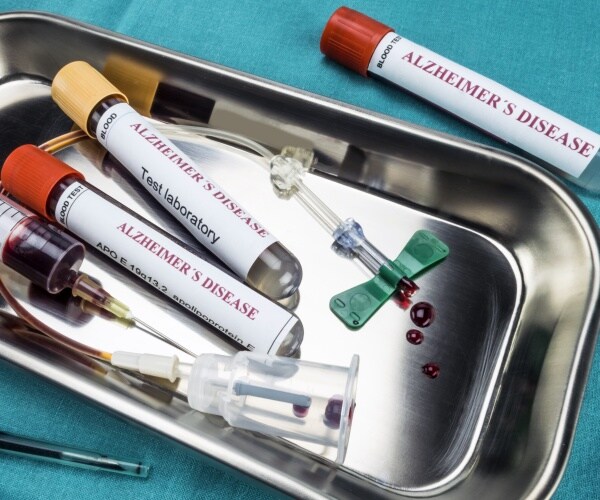
FDA Approves First Blood Test to Detect Alzheimer’s.
The U.S. Food and Drug Administration said on Friday it has cleared Fujirebio Diagnostics’ blood test to diagnose Alzheimer’s disease, making it the first of its kind to detect the condition.
Blood testing is initially likely to be used to rule out Alzheimer’s, with positive results signaling the need for more advanced diagnostics.
Alzheimer’s, which gradually destroys memory and thinking skills, is characterized by changes in the brain including buildup of amyloid beta plaques and tau tangles that result in loss of neurons responsible for transmitting information.
The U.S. Food and Drug Administration said on Friday it has cleared Fujirebio Diagnostics’ blood test to diagnose Alzheimer’s disease, making it the first of its kind to detect the condition.
Blood testing is initially likely to be used to rule out Alzheimer’s, with positive results signaling the need for more advanced diagnostics.
Alzheimer’s, which gradually destroys memory and thinking skills, is characterized by changes in the brain including buildup of amyloid beta plaques and tau tangles that result in loss of neurons responsible for transmitting information.
Sunny days are back! Get in a relaxed summer mood & have a great start for Friday,Saturday & Sunday with this music.
No matter what your occupation, lifestyle, race, color or creed, there is one thing that brings humanity together on the last day of the working week: that Friday feeling.
You make the call. You Could Live to 100 If You Can Pass This Test.
Lynn C. Allison. Author.
A simple test can help gauge longevity. Research published in the journal Clinical Interventions in Aging found that grip strength is “an indispensable biomarker for older adults.” Grip strength refers to the measure of force exerted by the hand and forearm muscles when gripping an object. It is a simple yet powerful indicator of overall muscle health, which can reflect the body’s physical condition.
Studies have shown that reduced grip strength is associated with frailty, decreased mobility, and a higher risk of falls among older adults. Furthermore, it can indicate underlying health conditions such as cardiovascular diseases, diabetes, or neurological disorders, which often become more prevalent with age.
In a Canadian study, researchers examined the connection between grip strength and mortality in 140,000 adults. They found that poor hand grip strength was linked to a higher risk of heart disease, heart attack, stroke, and death.
Grip is also an indicator of cognitive and mental health. A 2022 study found that increased grip strength was associated with better cognitive function, less depression and anxiety, and higher life satisfaction.
Researchers have found that individuals with weaker grip strength are more likely to experience early mortality, slower recovery from illnesses, and a diminished quality of life. Conversely, those with stronger grip strength tend to enjoy longer, healthier lives.
The simplicity of the grip strength test using a dynameter makes it a convenient and cost-effective tool for assessing aging and longevity across diverse populations.
According to Eat This, Not That! you can test your grip strength at home, without the need for a dynameter, by simply squeezing a tennis ball. Researcher Joshua Davidson, of the University of Derby in England, developed this test.
Grab a tennis ball in one hand and squeeze for as long as you can before being fatigued. Try to squeeze the ball for 15 to 30 seconds. If you can perform this test successfully, it’s one measure that could predict you may live to 100, according to research.
But don’t lose heart if you didn’t pass the test. You can improve your grip strength, says GoodRx. Some of those moves might already be part of your fitness routine. For example, functional exercises –– such as deadlifts, woodchops, and pull-ups on a bar –– engage your hands and other muscle groups.
“Our study highlights the significant burden of cardiovascular disease in patients with immune-mediated inflammatory diseases, which disproportionately affect women,” said senior researcher Dr. Heba Wassif, director of cardio-rheumatology at the Cleveland Clinic.
“It is critical to screen for and address cardiovascular risk factors early, at the time of diagnosis and periodically thereafter,” she said in a news release.
Women are two to three times more likely than men to develop rheumatoid arthritis, and about nine times more likely to develop lupus, researchers said in background notes.
Systemic sclerosis also is more common among women than men, researchers said. That autoimmune disease involves the tightening and hardening of skin, potentially affecting the digestive tract, blood vessels and internal organs.
For the study, researchers analyzed data for more than 127,000 heart disease-related deaths among more than 281,000 deaths associated with the three common autoimmune diseases between 1999 and 2020.
Overall, heart disease deaths declined for people with these autoimmune disorders, from 3.9 to 2.1 per 100,000 in women and from 1.7 to 1.2 per 100,000 in men between 1999 and 2020, results show.
However, the death rate remains higher among women compared to men, despite the overall reduction in deaths.
Stroke and clogged arteries were the main causes of heart-related death in autoimmune patients, and women died from both at higher rates than men.
Women also were more than twice as likely to die from irregular heart rhythms or cardiac arrest, researchers found.
People with rheumatoid arthritis had the highest heart-related death rate, results show.
“There is a common perception that people with immune-mediated inflammatory diseases primarily die from infections or kidney disease,” lead study author Dr. Issam Motairek, an internal medicine resident at Cleveland Clinic, said in a news release.
“However, our study revealed that one-third of deaths in this population were due to cardiovascular disease, highlighting the significant burden of heart disease in these patients,” he added.
“This study reinforces the need to investigate drivers of these disparities between women and men and how to improve treatment for patients with immune-mediated inflammatory diseases,” Motairek concluded.
Cancer before age 50 is rare, but increasing, in the United States and researchers want to know why.
A new government study provides the most complete picture yet of early-onset cancers, finding that the largest increases are in breast, colorectal, kidney and uterine cancers. Scientists from the National Cancer Institute looked at data that included more than 2 million cancers diagnosed in people 15 to 49 years old between 2010 and 2019.
Of 33 cancer types, 14 cancers had increasing rates in at least one younger age group. About 63% of the early-onset cancers were among women.
“These kinds of patterns generally reflect something profound going on,” said Tim Rebbeck of Dana-Farber Cancer Institute, who studies cancer risk and was not involved in the research. “We need to fund research that will help us understand.”
The findings were published Thursday in Cancer Discovery, a journal of the American Association for Cancer Research.
The researchers compared cancer rates in 2019 to what would be expected based on 2010 rates.
Breast cancer made up the largest share of the excess cancers, with about 4,800 additional cases. There were 2,000 more colorectal cancers compared with what would be expected based on the 2010 rates. There were 1,800 more kidney cancers and 1,200 additional uterine cancers.
Reassuringly, death rates were not rising for most cancers in the young adult age groups, although increasing death rates were seen for colorectal, uterine and testicular cancers.
Explanations will take more research. The big databases used for the study don’t include information on risk factors or access to care. Theories abound and a big meeting is planned later this year to bring together experts in the area.
“Several of these cancer types are known to be associated with excess body weight and so one of the leading hypotheses is increasing rates of obesity,” said lead author Meredith Shiels of the National Cancer Institute.
Advances in cancer detection and changes in screening guidelines could be behind some early diagnoses.
For breast cancer, the trend toward women having a first child at older ages is a possible explanation. Pregnancy and breastfeeding are known to reduce risk.
This isn’t happening across the board. Cancer rates in people under 50 are going down for more than a dozen types of cancer, with the largest declines in lung and prostate cancers.
Cigarette smoking has been declining for decades, which likely accounts for the drop in lung cancer among younger adults.
The drop in prostate cancer is likely tied to updated guidelines discouraging routine PSA testing in younger men because of concerns about overtreatment.
It’s Monday so let it fly. Play what ever moves and groves you. Yeah I’m an old rocker, but I do venture into other types of music. Lets see what ya got.
Make this incredible rhubarb upside-down cake for a delicious dessert that deceptively simple to make! Everyone will love it, especially when you serve it with some frosty ice cream or a heavenly dollop of whipped topping!
Getting a head-start with cake mix makes this Rhubarb Upside-Down Cake recipe a breeze to throw together!
Ingredients you will need:
1 cup sugar
Eggs, oil, and water as directed on cake mix
6 tablespoons butter, melted
Whipped cream or vanilla ice cream, optional
Red food coloring
4 cups finely diced rhubarb
1 (18.5 ounce) package white cake mix
Preheat oven to 375 degrees. Finely dice 4 cups rhubarb. Place in mixing bowl or dish.
Add 1 cup sugar.
Add 6 tablespoons melted butter.
Add several drops red food coloring.
Mix.
Place rhubarb mixture into a lightly greased 9″ x 13″ pan. Spread rhubarb mixture equally.
Add 1 package prepared white cake mix to top of rhubarb mixture. Place in oven. Bake for 35 minutes.
Remove pan from heat. Loosen edges and carefully invert onto a large platter. Serve your Rhubarb Upside Down Cake warm or cold, topped with vanilla ice cream or whipped topping. Enjoy!