Categories
Life Music

Playing the music, you love.

Views: 157

Playing the music, you love.

It’s been a while since I did a music article. So play what moves you.


Loading

Categories
Food Recipe Reprints from other.

Foil Pack Pineapple-Cherry Crisp.

Views: 37

Foil Pack Pineapple-Cherry Crisp.

Here’s a dessert you can make on the grill. And you won’t have to wash dirty dishes. This recipe for Cherry-Coconut Crisp makes 4 delicious servings.

Why Cook Dessert in Foil?

Foods tucked inside aluminum foil packs create casual meals that come out tasting moist and delicious. Just cook the packs while you relax. And dirty dishes? There are none. Simply eat right out of the pack and toss the foil away.

Ingredients Needed
  • quick-cooking oats
  • coconut
  • pecans or walnuts
  • sugar
  • cinnamon
  • canola oil
  • pure maple syrup
  • frozen dark sweet cherries
  • lemon juice
  • cornstarch
  • pineapple slices
  • chocolate chips (optional)
  • DIRECTIONS

    In a small bowl, combine oats, coconut, pecans, cinnamon, and 2 tablespoons of the sugar. Stir in the oil and syrup and set aside.

    In a big bowl, combine the cherries, lemon juice, cornstarch, and the remaining 1 tablespoon of sugar; toss well.

    Place one pineapple slice on each of four pieces of greased foil. Spoon the cherry mixture evenly over the pineapple and top the set-aside oat mixture. Sprinkle with a few chocolate chips.

    Wrap the foil around the food to make four tent packs. Set the foil packs on a grill grate over medium heat and cook for 12 to 14 minutes or until hot.*

    *Foil packs will be HOT. Remove from the grill with hot pads or tongs. 

Loading

Categories
Health Links from other sources. Reprints from other. Science

Skipping Breakfast Increases Risk for Broken Bones.

Views: 35

Skipping Breakfast Increases Risk for Broken Bones.

Breakfast is said to be the most important meal of the day, and a new study says that’s absolutely true as far as bone health is concerned.

Folks who skip breakfast have a greater risk of broken bones from osteoporosis, researchers reported Aug. 28 in the Journal of the Endocrine Society.

“We found skipping breakfast and having late dinners was associated with an increased risk of osteoporosis,” said lead researcher Dr. Hiroki Nakajima of Nara Medical University in Japan.

“Furthermore, these unhealthy eating habits were found to be linked with the accumulation of other lifestyle risk factors such as physical inactivity, smoking and insufficient sleep,” Nakajima added in a news release.

For the study, researchers analyzed health claims and checkup data from more than 927,000 people in Japan age 20 and older.

The team looked for associations between lifestyle and people’s risk of a hip, arm or leg fracture due to osteoporosis.

Results showed that skipping breakfast increased a person’s risk of a broken bone from osteoporosis by 18%, smoking by 11% and eating dinner late by 8%.

If a person both skipped breakfast and ate late dinner, their risk of osteoporosis and a bone break rose to 23%, researchers found.

Other unhealthy habits that increased risk of broken bones included daily alcohol consumption, a lack of exercise and bad sleep, researchers said.

“These results suggest that preventing osteoporosis and fractures requires not only healthy eating habits but also a broader effort to improve overall lifestyle behaviors,” Nakajima said.

People who skipped breakfast tended to have lower vitamin D and calcium intake, indicating that nutritional deficiencies could be contributing to their risk of osteoporosis, researchers wrote.

“These results indicated that osteoporosis is a lifestyle-related disease,” researchers concluded. “Future research is needed to investigate the relationship between late-night dinners and bone metabolism, as well as intervention studies focusing on guidance regarding skipping breakfast and having late dinners.”

© HealthDay

Loading

Categories
Health Life Links from other sources. Reprints from other. Science

Bacteria Tied to Pancreatic Cancer.

Views: 41

Bacteria Tied to Pancreatic Cancer.

A person’s risk of pancreatic cancer might be tied to the microbes living in their mouths, a new study says.

People have a more than tripled risk of pancreatic cancer if their mouths contain 27 types of bacteria and fungi, including some directly linked to gum disease, researchers reported Sept. 18 in JAMA Oncology.

“It is clearer than ever that brushing and flossing your teeth may not only help prevent periodontal disease but may also protect against cancer,” co-senior author Dr. Richard Hayes, a professor of population health at NYU Grossman School of Medicine, said in a news release.

Pancreatic cancer is considered a “silent killer,” because there are few effective screening methods for catching it early. That makes it a highly lethal cancer, with a five-year survival rate of just 13%, researchers said in background notes.

Previous studies have shown that bacteria can travel through swallowed saliva into the pancreas, increasing cancer risk for those with poor oral health.

However, it’s not been clear which microbes specifically contribute to pancreatic cancer, researchers said.

For the study, researchers analyzed saliva samples taken from more than 122,000 Americans participating in two large-scale studies of cancer screening and prevention.

The team identified 445 patients diagnosed with pancreatic cancer, and compared their saliva samples to those taken from a random 445 people who remained cancer-free.

Researchers identified 20 different types of bacteria and four types of fungi that affect pancreatic cancer risk.

They also linked pancreatic cancer to three bacteria already known to contribute to gum disease — Porphyromonas gingivalisEubacterium nodatum and Parvimonas micra.

Altogether, the entire group of microbes increased pancreatic cancer risk by nearly 3.5 times, results show.

“By profiling bacterial and fungal populations in the mouth, oncologists may be able to flag those most in need of pancreatic cancer screening,” co-senior author Jiyoung Ahn, a professor of population health and medicine at NYU Grossman School of Medicine, said in a news release.

However, researchers noted that because the study is observational, it can’t draw a direct cause-and-effect link between oral health and pancreatic cancer.

The team next plans to explore whether oral viruses might contribute to cancer and how the mouth’s microbiome might affect patients’ chances of survival.


© HealthDay

Loading

Categories
Food Recipe Reprints from other.

Southwest Chicken Soup.

Views: 39

Southwest Chicken Soup.

Sweater weather’s knocking! Get cozy with fall-inspired recipe.  Let the autumn feasting begin!

Ingredients

  • 1 1/2 lb Boneless Chicken Breasts, medium dice
  • 2 Rainbow Peppers, dice 1 of each
  • 1 Sweet Onion, diced
  • 1 can Fairhill Farms Diced Tomatoes
  • 1 can Wylwood Chili Beans
  • 1 cup Marcum Chicken Broth
  • 2 tsp Marcum Garlic Powder
  • 1 1/2 tsp Marcum Chili Powder
  • 1/2 tsp Marcum Cumin
  • to taste, Marcum Salt
  • to taste, Marcum Black Pepper
  • Directions

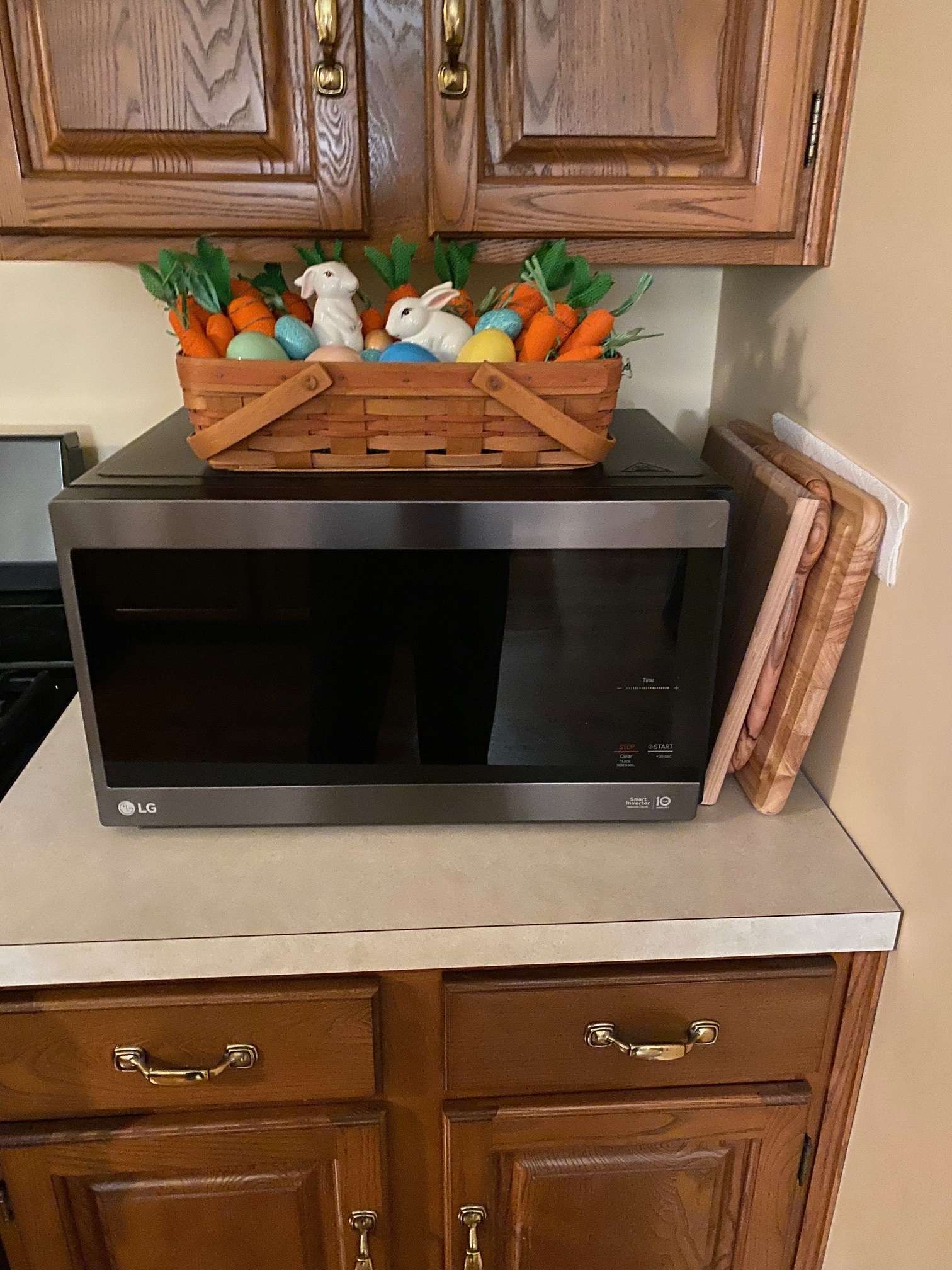
    1. Dice up chicken and vegetables, using separate cutting boards to avoid cross contamination
    2. Add all of the ingredients into a crockpot, place the crockpot on low and let cook for 6 hours

    Recipe Tips

    • Top with sour cream, tortilla chips, or cilantro for more flavor.

    Prep Time

    10 mins

    Cook Time

    6 hrs

    Total Time

    6 hrs 10 mins

    Yields

    4

Loading

Categories
Health Life Links from other sources. Reprints from other. Science

Dementia risk nearly doubles among those with common sleep disorder, study finds.

Views: 48

Dementia risk nearly doubles among those with common sleep disorder, study finds.

In the latest evidence of the direct relationship between sleep and health, researchers have found that chronic insomnia can significantly increase dementia risk.

That equates to a three-year acceleration of brain aging, according to the study, which was published in Neurology, the journal from the American Academy of Neurology.

The study followed 2,750 cognitively healthy older adults averaging 70 years of age over a period of more than 5-½ years. Roughly 16% of them suffered from chronic insomnia, according to a press release for the study.

“Chronic insomnia” is defined as a struggle to fall and/or stay asleep — which is different than people trying to pursue the “perfect sleep,” according to study author Diego Z. Carvalho, M.D., of the Mayo Clinic in Rochester, Minnesota.

“Chronic insomnia was associated with a 40% increased risk of developing cognitive impairment and dementia,” Carvalho, who is also a member of the American Academy of Neurology, told Fox News Digital.

Researchers have found that chronic insomnia can significantly increase dementia risk. (iStock)

Over the course of the study, 14% of the people with chronic insomnia developed mild cognitive impairment or dementia, compared to 10% of those who did not have the sleep disorder.

The researchers were surprised to find that participants with chronic insomnia who reported sleeping more than usual had fewer white matter spots in the brain — areas where small vessel disease may have damaged brain tissue, which have been linked to cerebrovascular disease.

Additional tests also found that this group scored lower in thinking skills. This was after adjusting for other factors like age, high blood pressure, sleep medications and sleep apnea diagnoses.

“Participants with chronic insomnia with perceived reduced sleep duration had poorer brain health, according to brain imaging findings linked to Alzheimer’s disease and cerebrovascular disease,” Carvalho said.

“The study emphasizes that even a short period of chronic insomnia can lead to potential detrimental cognitive effects later in life.”

People who had the APOE ε4 gene, which is linked to a higher risk of Alzheimer’s, were more likely to show bigger declines in memory and thinking skills, the study found.

Based on these findings, chronic insomnia could be a potentially modifiable risk factor for cognitive impairment and dementia, according to Carvalho.

“Chronic insomnia” is defined as a struggle to fall and/or stay asleep — which is different than people trying to pursue the “perfect sleep,” the lead researcher said. (iStock)

“This reinforces the importance of treating chronic insomnia — not just to improve sleep quality, but potentially to protect brain health as we age,” he said. “Our results also add to a growing body of evidence that sleep isn’t just about rest — it’s also about brain resilience.”

Dr. Marc Siegel, senior medical analyst for Fox News in New York, was not involved in the study, but said that it shows an “important association” between sleep deprivation and dementia or cognitive impairment.

waste products during sleep, and that sleep is restorative to brain cells — but we still don’t know whether the effect observed here is directly due to inattention from sleeplessness (on testing) and memory effects that could be short term,” he told Fox News Digital.

“The issue of actual neurodegeneration due to insomnia is probable, but not proven by this study.”

Participants with chronic insomnia who reported sleeping more than usual had fewer white matter spots in the brain — areas where small vessel disease may have damaged brain tissue, which have been linked to cerebrovascular disease.  (iStock)

The cognitive decline could be directly due to the insomnia itself or to the breakdown of brain function that occurs as a result, Siegel added.

Dr. Earnest Lee Murray, a board-certified neurologist at Jackson-Madison County General Hospital in Jackson, Tennessee, confirmed that chronic insomnia has long been known to lead to health concerns, both neurologically and non-neurologically.

“The study emphasizes that even a short period of chronic insomnia can lead to potential detrimental cognitive effects later in life,” Murray, who was not involved in the research, told Fox News Digital.

“The study also showed chronic insomnia seems to alter the structure of the brain by increasing white matter changes commonly seen in patients with vascular pathology, such as hypertension and diabetes.”

Potential limitations

The study did have some limitations, the researcher noted.

“We did not have instruments to assess the severity of insomnia at baseline or over time,” Carvalho told Fox News Digital. “We lack longitudinal objective sleep data to look at sleep duration estimates over the years.”

“Tracking does not help with your sleep — good sleep practices do.”

The researchers were also unable to adjust for which patients received treatment for obstructive sleep apnea, such as CPAP therapy.

“We also did not have full information on the duration of usage or doses of sleep medication,” Carvalho added.

He also reiterated that the study does not prove that insomnia directly causes brain aging, only that there is an association between the two.

Tips to improve sleep

Anyone suffering from insomnia on a frequent basis should talk with their physician about ruling out potential medical reasons, Lee advised.

“Treatment may include cognitive behavioral therapy, or pharmaceutical therapy may be an option,” he said.

The researchers recommended adopting better sleep practices, including cutting out caffeinated beverages in the afternoon, cutting down on alcohol consumption, avoiding large meals or exercise before going to bed, and reducing exposure to electronics prior to bedtime.

The researcher did warn that pursuit of the “perfect sleep” can sometimes lead to an obsession with excessive tracking of sleep data, leading to “performance anxiety,” which can end up having the opposite effect.

“Tracking does not help with your sleep — good sleep practices do,” he said.

Carvalho also urged caution when it comes to taking a pill for better sleep.

The researchers recommended adopting better sleep practices, including cutting out caffeinated beverages in the afternoon, cutting down on alcohol consumption, avoiding large meals or exercise before going to bed, and reducing exposure to electronics prior to bedtime. (iStock)

“Although sleep medications can help and are available for patients with chronic insomnia, they do not work very well in the long run if good sleep practices are not adopted,” he said. “There is no solution for poor sleep issues that does not start with the patient doing the right things.”

Murray echoed the importance of good sleep hygiene, including not using electronic devices in bed and limiting the amount of light exposure in the room to enhance the quality of sleep.


The study was supported by the National Institutes of Health, GHR Foundation, Mayo Foundation for Medical Education and Research, and a grant from Sleep Number Corporation to the Mayo Clinic.

Loading

Categories
Food Health Life Medicine Reprints from other. Science

Too Much Vitamin D Can Be Deadly.

Views: 59

Too Much Vitamin D Can Be Deadly.

About 35% of U.S. adults are deficient in vitamin D, according to the Cleveland Clinic. This fat-soluble vitamin is essential for helping the body absorb calcium, supporting bone strength, and boosting immune function. You can get vitamin D naturally from sunlight, fatty fish, fortified dairy products, and supplements.

But experts warn that you can, in fact, get too much of a good thing. High doses of vitamin D can trigger dangerous side effects—including nausea, vomiting, kidney stones, and even death, reports Eating Well.

How Toxicity Happens

Vitamin D deficiency often leads people to overcompensate with supplements, sometimes taking far more than their bodies need. Unlike water-soluble vitamins that flush out easily, vitamin D builds up in fat tissue. Over time, this can cause dangerously high blood calcium levels, especially when very large doses are taken for several months.

“Vitamin D acts like a hormone in the body,” experts note, which is why excess intake can disrupt normal function and damage organs.

Warning Signs of Vitamin D Overload

Symptoms of vitamin D toxicity may include:

  • Persistent nausea
  • Vomiting
  • Weakness
  • Frequent urination
  • Confusion
  • Dehydration
  • Elevated calcium levels, which can cause kidney stones or organ damage

If left untreated, vitamin D toxicity can progress to kidney failure, irregular heartbeat, and even death. Anyone experiencing these symptoms while taking supplements should seek medical advice immediately.

How Much Is Too Much?

The recommended daily allowance (RDA) for vitamin D varies by age and health status:

  • Children, teens, and adults up to age 70: 600 IU daily
  • Adults over 70: 800 IU daily

In general, experts say you should not exceed 4,000 IU per day from all sources unless directed by a healthcare professional.

Safer Ways to Get Vitamin D

Whenever possible, aim to meet your vitamin D needs through food and safe sun exposure. A simple blood test can reveal your vitamin D levels, allowing your doctor to provide personalized recommendations.

Lynn C. Allison 

Lynn C. Allison, a Newsmax health reporter, is an award-winning medical journalist and author of more than 30 self-help books

Loading

Categories
Health Life Links from other sources. Medicine Reprints from other.

Rising Heart Disease Rates in Younger Adults: Causes, Risks, and Prevention.

Views: 108

Rising Heart Disease Rates in Younger Adults: Causes, Risks, and Prevention.

Think heart disease only affects older adults? Think again. More adults under 40 are experiencing heart problems than ever before, and the trend is concerning OU Health experts.

“We’re seeing younger patients with high blood pressure, high cholesterol, and even heart attacks,” said OU Health cardiologist Dr. Stavros Stavrakis, M.D., PhD, associate professor of cardiology at the University of Oklahoma College of Medicine. “The reality is that heart disease doesn’t suddenly appear at 60. It develops gradually over decades, often beginning in your 20s and 30s.”

In Oklahoma, heart disease trends among younger adults paint a concerning picture. According to the Oklahoma State Department of Health, cardiovascular disease is now the third leading cause of death for Oklahomans aged 25-44, with rates consistently higher than the national average. The state has seen a 30% increase in heart disease-related hospitalizations among adults under 45 over the past decade, reflecting a troubling shift toward earlier onset of cardiovascular problems.

Nationally, the American Heart Association reports that heart attacks are becoming more common in adults under 40, with a 2% annual increase in heart disease-related hospitalizations for this age group since 2018. More alarmingly, studies show that 1 in 5 heart attacks now occur in adults aged 40 or younger, a significant jump from just a decade ago when this age group accounted for only 1 in 10 cases.

What’s Behind the Trend?

Risk factors like obesity, high blood pressure, and diabetes are appearing earlier in life, with nearly half of adults aged 20-44 having at least one major cardiovascular risk factor.

Several lifestyle factors common among young adults also contribute to early heart disease:

  • Prolonged sitting and screen time
  • High-stress jobs and poor work-life balance
  • Processed food-heavy diets
  • Vaping and tobacco use
  • Inconsistent sleep patterns
  • Delayed medical check-ups

“Many young adults have never had their cholesterol checked or don’t know their blood pressure,” Dr. Stavrakis said. “These simple screenings can reveal early warning signs before problems develop.”

The good news? Most risk factors are within your control. Small changes now can significantly impact your heart health later:

Taking Control of Your Heart Health

Taking control of your heart health begins with scheduling an annual physical with a basic heart health screening. However, lifestyle changes also play a major role in the continued health of the heart. Small changes to make include:

  • Move more throughout the day–even short walks count
  • Choose whole foods over processed options
  • Prioritize 7-8 hours of quality sleep
  • Find healthy stress management techniques
  • Know your family history

Red Flags Young Adults Shouldn’t Ignore:

Oklahomans of any age should be aware of the warning signs of heart disease, which can include:

  • Unexplained fatigue
  • Shortness of breath during normal activities
  • Heart palpitations
  • Chest discomfort or pressure
  • High blood pressure readings
  • Family history of early heart disease

“The choices you make in your 20s and 30s lay the foundation for your heart health later in life,” said Dr. Stavrakis. “It’s much easier to prevent heart disease than to treat it once it develops.”

Quick Heart Health Check

  • When was your last blood pressure check?
  • Do you know your cholesterol numbers?
  • Have you discussed your family history with your doctor?
  • Are you getting regular physical activity?
  • How’s your stress level?

Ready to Take Charge of Your Heart Health?

OU Health’s comprehensive heart care team specializes in early detection and prevention. Our experts can help you understand your personal risk factors and develop a plan to protect your heart health for decades to come.

OU Health Physicians Cardiology, Pulmonary & Vascular Medicine Clinic brings together Oklahoma’s most comprehensive team of heart and vascular specialists, combining advanced technology with pioneering research to deliver exceptional cardiac care. As the state’s only comprehensive academic health system, OU Health provides access to groundbreaking clinical trials and the latest treatment options while training the next generation of cardiovascular specialists.

OU Health’s multidisciplinary approach means patients benefit from collaborative care that includes preventive cardiology, advanced diagnostic testing, minimally invasive procedures, and complex surgical interventions, all available in one integrated system.

Loading

Categories
Food Recipe Reprints from other.

Brown Sugar Cake with Pecan Glaze.

Views: 22

Brown Sugar Cake with Pecan Glaze.

Recipe #1: Brown Sugar Cake with Pecan Glaze

This cake is rich, buttery, and loaded with brown sugar goodness. The pecan topping adds a perfect nutty crunch, and best of all—it travels like a pro.

Ingredients:
  • ½ C. shortening

  • ½ C. sugar

  • 2¾ C. brown sugar, packed, divided

  • 1¼ C. butter, softened, divided

  • 3 tsp. vanilla extract, divided

  • 5 eggs

  • 3 C. flour

  • ½ tsp. baking powder

  • ¼ tsp. salt

  • 1¼ C. milk, divided

  • 1¼ C. toasted, chopped pecans, divided

  • 2 C. powdered sugar, sifted

  • DIRECTIONS

    Preheat the oven to 350° . Spray a 10″ tube pan with cooking spray; set aside.

    In a mixing bowl, beat the shortening, sugar, 2¼ cups brown sugar, 1 cup butter, and 2 teaspoons vanilla. Add the eggs, one at a time, beating well after each.

    In a separate bowl, mix the flour, baking powder, and salt; add to the butter mixture alternately with 1 cup of the milk, beating well. Stir in 1 cup of the pecans; spread in the prepped pan.

    Bake 1¼ hours or until a wooden skewer inserted in the center comes out clean, covering with foil the last 15 minutes to prevent overbrowning. Set on a cooling rack for 10 minutes, then remove the cake from the pan and set upright to cool completely.

    Melt the remaining ¼ cup butter in a saucepan over medium-low heat. Add the remaining ½ cup brown sugar and cook 2 minutes, stirring constantly. Add the remaining ¼ cup milk and bring to a boil, stirring constantly. Remove from the heat and stir in the remaining 1 teaspoon vanilla. Whisk in the powdered sugar until smooth, and immediately spread over the cooled cake; quickly sprinkle with the remaining ¼ cup pecans, pressing to adhere.

    Slice and serve.


Loading

Categories
Life Reprints from other. Science

Sugar Substitutes May Accelerate Brain Aging.

Views: 83

Sugar Substitutes May Accelerate Brain Aging.

Artificial sweeteners like Equal and Sweet’N Low might help you cut calories, but it might be at the cost of future brain power, according to a new study.

People who consume high amounts of low- and no-calorie sugar substitutes appear to experience faster declines in thinking and memory skills, researchers reported Sept. 3 in the journal Neurology.

Their decline is 62% more rapid than among people consuming the least amounts – equal to about 1.6 years of additional brain aging, results showed.

This link was even stronger in middle-aged folks and people with diabetes, researchers found.

“Low- and no-calorie sweeteners are often seen as a healthy alternative to sugar,” senior researcher Dr. Claudia Kimie Suemoto, an associate professor of geriatrics at the University of São Paulo in Brazil, said in a news release. “However, our findings suggest certain sweeteners may have negative effects on brain health over time.”

For the study, researchers tracked the health of nearly 12,800 adults in Brazil. Their average age was 52, and they were followed for an average of eight years.

Participants completed diet questionnaires at the start of the study, allowing researchers to estimate their intake of aspartame (NutraSweet, Equal), saccharin (Sweet’N Low), acesulfame-K, erythritol, xylitol, sorbitol and tagatose.

The study did not track the use of sucralose, the sweetener marketed as Splenda.

Some of these sweeteners can be found in the usual blue or pink packets provided in restaurants. They also are used to flavor ultra-processed drinks, desserts and foods.

The research team divided participants into three groups based on the total amount of sugar substitutes consumed.

They then compared that consumption to participants’ performance on tests of memory, language and thinking skills.

People who consumed more artificial sweeteners had faster declines in thinking and memory as they aged, even if they fell into the middle-intake group, results showed.

People who consumed moderate amounts of sugar substitutes had a brain decline 35% faster than the lowest group, equivalent to about 1.3 years of additional aging, researchers said.

Individually, aspartame, saccharin, acesulfame-k, erythritol, sorbitol and xylitol all were associated with a faster decline in overall cognition, particularly in memory, researchers said. Only the sweetener tagatose could not be linked with cognitive decline.

People younger than 60 who ate the highest amounts of sweeteners showed faster declines in language skills and overall brain power, results showed. No link was found among people 60 or older.

Researchers also found that the link to faster brain decline was stronger in people with diabetes.

“While we found links to cognitive decline for middle-aged people both with and without diabetes, people with diabetes are more likely to use artificial sweeteners as sugar substitutes,” Suemoto said.

Researchers speculated that these sweeteners might break down in the body into chemicals that are toxic to the brain or produce more inflammation.

However, they noted that the study was observational and, as such, couldn’t draw a direct cause-and-effect link between sweeteners and brain decline.

“More research is needed to confirm our findings and to investigate if other refined sugar alternatives, such as applesauce, honey, maple syrup or coconut sugar, may be effective alternatives,” Suemoto said.


© HealthDay


Loading

Categories
Medicine Science Uncategorized

Medically speaking. Florida making a mistake on vaccines?

Views: 99

Medically speaking. Florida making a mistake on vaccines?

This is not a political question, but a medical. Please do not bring politics into this. If you do, I will delete your comment.

Florida is scrapping all vaccine mandates. That includes scrapping immunization requirements, including hepatitis B, polio, measles-mumps-rubella (MMR) and chickenpox, for all Florida schools.

I agree that with COVID Vaccines that would be the right move, but I disagree with the children’s vaccines.

Joseph Ladapo’s announcement came in conjunction with the establishment of the Florida Make America Healthy Again commission, which will be chaired by Florida first lady Casey DeSantis and Lt. Gov. Jay Collins.

At the press conference in the Tampa suburb of Valrico, Florida, Gov. Ron DeSantis said the commission will focus on tenets that include “individual medical freedom, informed consent, parent rights and also market innovation.”


Loading

Categories
Life Music

Duets. Sing it loud and proud.

Views: 23

Duets. Sing it loud and proud.

It’s been a while, so let’s go with Duets, two males, two females, Male and Female, doesn’t matter.

Loading

Categories
Food Life Recipe Reprints from other.

Deliciously Crispy Greek Roast Potatoes with Lemon and Feta.

Views: 32

Deliciously Crispy Greek Roast Potatoes with Lemon and Feta.

Equipment

These Greek Roast Potatoes with Lemon and Feta are a truly exceptional side dish – easy to make, bursting with flavor, and guaranteed to impress. The combination of crispy potatoes, bright lemon, salty feta, and fragrant herbs is simply irresistible. I encourage you to give this recipe a try and experience the magic of Mediterranean flavors in your own kitchen. Let me know in the comments how yours turned out – I’d love to hear from you! Don’t forget to rate this recipe and share it with your friends and family. Happy cooking!
  • Baking Sheet Large enough to hold potatoes in a single layer
  • Mixing bowl

Ingredients

Potatoes & Aromatics

  • 2 lbs baby potatoes halved
  • 3 tablespoons olive oil
  • 3 cloves garlic minced
  • 1 lemon juice of 1 large

Seasoning & Cheese

  • 1 lemon zest of 1
  • 1 teaspoon dried oregano
  • 0.5 cup feta cheese crumbled
  • 2 tablespoons parsley fresh, chopped
  • 1 lemon wedges, for serving

Instructions

  • Preheat oven to 400°F (200°C).
  • Halve the baby potatoes and toss them in a large bowl with olive oil, minced garlic, lemon juice, and lemon zest.
  • Season generously with salt, pepper, and dried oregano.
  • Spread the potatoes in a single layer on a baking sheet.
  • Roast for 35-45 minutes, or until the potatoes are tender and golden brown, flipping halfway through.
  • Remove from oven and sprinkle with crumbled feta cheese and chopped parsley.
  • Serve immediately with lemon wedges.

Notes

For extra crispy potatoes, parboil them for 5-7 minutes before roasting.

Loading

Categories
Life Links from other sources. Medicine Reprints from other.

Most Pain Patients Quit Medical Weed Within a Year.

Views: 29

Most Pain Patients Quit Medical Weed Within a Year.

More than half of people prescribed medical weed for chronic muscle or joint pain quit using it within a year, a new small-scale study says.

About 58% of a group of 78 Pennsylvania patients certified for medical cannabis decided to discontinue treatment within a year, researchers report in the journal PLOS One.

In fact, nearly half (45%) stop using weed within the first three months of trying it, results show.

These high drop-off rates indicate that “despite growing enthusiasm and widespread adoption, medical cannabis does not meet expectations for a significant subset of chronic pain patients,” researcher Dr. Asif Ilyas, a professor of orthopedic surgery at Thomas Jefferson University in Philadelphia, said in a news release.

For the study, researchers tracked the 78 pain patients for two years to see how they fared using medical marijuana. The patients all were treated at the Rothman Orthopedic Institute in Philadelphia between October 2022 and December 2024.

Results showed that people who quit using weed for their pain were about as healthy as those who remained on the treatment.

Likewise, where a person was feeling their pain — in the low back, neck, joints, muscles or elsewhere — was not associated with the odds they’d stop using weed, researchers said.

Instead, a complex mix of reasons is likely behind why people gave up on medical weed, researchers said.

Some might become dissatisfied with the treatment, while others might not like the side effects, researchers said. Others might decide to pursue more time-tested treatments like injections or surgery.

“These results are consistent with previous studies, which have shown mixed responses to medical cannabis treatment in chronic pain patients,” the researchers wrote. “While some patients report significant relief, others may not find sufficient therapeutic benefit, leading to early discontinuation.”

There was one major difference between those who kept on medical weed and those who dropped it — the patient’s age. Those who stopped using weed were seven years older, with an average age of 72 compared with 65 for those who stayed with it.

“Older adults may be more cautious in using alternative therapies like medical cannabis due to concerns about long-term effects or a preference for more conventional treatments,” researchers wrote.

Researchers point out that they did not gather specific details about the type of cannabis products that patients used, nor did the study collect data on improvements in function and pain.

“These findings suggest that while medical cannabis may offer benefits for some patients, further research is needed to better understand the long-term effects of medical cannabis on pain management and patient satisfaction, as well as the factors influencing treatment adherence,” the researchers wrote.

© HealthDay

Loading

Categories
Food Garden

How do they do it? Amish store low prices.

Views: 49

How do they do it? Amish store low prices.

Last Saturday we went to Middlefield, Ohio to do some shopping and meet friends for dinner at Mary Yoders,

The one store had these unbelievable prices. We only bought the Onions and Watermelon because we already had the other items.

Check out the pricing on the fresh produce, meat, and fruit.

The hams were anywhere from 10-15 lbs.

Loading

Categories
Food Garden Life

My garden update. And my new passion. Fig trees.

Views: 116

My garden update. And my new passion. Fig trees.

I must admit that I’ve forgotten about my gardens. So far the watermelons have been a disappointment. Cantaloupes only three so far from 10 plants.

The zucchini and squash have been doing very well. Tomatoes are just now starting to ripen. Except for the cherry tomatoes.

Here’s a picture of what a few sunflower seeds can produce.

Reach for the sky.

My passion has become fig trees. I started three years ago. Last year from 10 trees I only got about 60 figs. This year these two have produced 25 figs since Sunday.

Cream of the crop.

Now I have 31 trees and need to figure out what’s next.

Loading

Categories
Life Music

Playing your favorite tunes.

Views: 49

Playing your favorite tunes.

It’s the weekend, and that means it’s time to play your favorites. Mine are mostly classic rock. But you can play anything that flips your Bic.


Loading

Categories
Life Links from other sources. Reprints from other. Science

Using an Air Purifier Lowers Blood Pressure.

Views: 19

Using an Air Purifier Lowers Blood Pressure.

Folks fighting high blood pressure might receive some help from a household air purifier, a new study says.

Even in areas with relatively low air pollution levels, using a high-efficiency particulate air (HEPA) purifier at home might significantly lower a person’s blood pressure, researchers reported recently in the Journal of the American College of Cardiology.

“High blood pressure remains one of the most important modifiable risk factors for cardiovascular disease,” lead author Douglas Brugge, chair of public health sciences at University of Connecticut Health, said in a news release.

“This research adds to growing evidence that simple interventions, like in-home air filtration, may help improve heart health for people at risk,” he added.

For the study, researchers randomly assigned 154 adults living near highways to use either a HEPA air purifier or a sham device in which the filter had been removed

The participants switched devices after a month and an equal amount of time in between, to give all time with either real or fake air purifiers. Their blood pressure as taken at four times to see how it changed during the study.

After a month using real air purifiers, people experienced a significant 2.8-point drop in their systolic blood pressure, or the pressure in their blood vessels during a heartbeat.

By comparison, people experienced a slight 0.2-point increase in systolic blood pressure after using the fake purifier.

That adds up to an overall 3-point improvement in systolic pressure when using an air purifier, researchers said.

“Overwhelming evidence shows the harmful health effects of (particle pollution) exposure, even at levels below current U.S. standards,” Dr. Jonathan Newman, an associate professor of cardiology at NYU Grossman School of Medicine, wrote in an accompanying editorial. “As health care professionals, we must educate the public and support policies that protect clean air and improve the health of all Americans.”

Dr. Harlan Krumholz, editor-in-chief of JACC, noted the study shows that even modest improvement in indoor air quality could help some with high blood pressure.

“While more research is needed, these results suggest that what we breathe at home may matter for our cardiovascular health,” he said in a news release.


© HealthDay

Loading

Categories
Food Life Recipe Reprints from other.

Southwest Chicken Mushrooms Recipe.

Views: 29

Southwest Chicken Mushrooms Recipe.

Dig into this recipe packed with fresh flavors and a pop of color—so easy, you’ll want to make it on repeat.

Ingredients you will need:

  • 4-5 large portabella mushroom caps
  • 2 C. cooked chicken breast with Mexican seasoning, sliced
  • 2 green onions, chopped
  • 1 poblano or jalapeno pepper, diced
  • 2 t. garlic, chopped
  • 1 small container heavy whipping cream
  • 1 t. smoked paprika
  • 1 t. Southwest seasoning
  • Queso cheese, shredded
  • Extra virgin olive oil
  • 1 lb. mini sweet peppers
  1. Combine all ingredients in a bowl except for mushroom caps and sweet peppers.
  2. Heat peppers over medium-high heat until skin is charred.
  3. Add portabella mushroom caps.
  4. Spoon filling onto caps. Turn heat down to medium, cover, and cook for 7 minutes.
  5. Serve and enjoy!


Loading

Categories
Decorations Food Holidays Life Medicine Movies Recipe Sports Travel TV

Looking for a few good men and women to write articles. Koda

Views: 75

Looking for a few good men and women to write articles.

We need a few folks who would be interested in writing non-political articles for this website. If you are interested, please let me know at the email below.

The format here is WordPress. The only type of articles that are not permitted are religious and articles of a sexual nature. Civility is a must and personal attacks are not permitted.

Type of articles.

Feel good, Music, Medical, Social Interests, TV/Movies, Science. Nothing Political

Pay sucks. North of $0.00

Email. ledbed12345@gmail.com

Loading


Bauherrenhaftpflicht Rechner

page counter
0Shares